The 1-word exchange
I dig how new games are shaking up the traditional narrative structure of GM vs PCs. For instance the spitballing of consequences found in Trophy, or in The Between, when the "Players" get to share their ideas and outcomes collaboratively.
To me it is a neat way of tapping into the creativity of everyone at the table + it allows mechanically, to "discuss" how you want your character to be affected.
Here is the catch though: by discussing outcomes, the players find themselves in the situation of going in and out of character more frequently. Potentially breaking immersion and interrupting the narrative flow? pff...OK...rollingeyes
To me it is not a deal breaker at all. In fact, I LOVE that style of play.
But that thought process got me thinking, never the less.
And I found inspiration in solo-games (of all places)...
prompts, for Satan's sake
One prompt per player. That's it.
Instead of discussing freely about terrible things that might happen, the ideas will be distilled into a single prompt and written down by every player. So it is not as much about communicating a clear picture of what you envision, but about inspiring the affected player to come up with something on their own.
It is a similar approach that can be found in solo-ttrpgs, where people get their inspirational prompts from random tables. In this case, the other players function as an endless random table.
how could this look like in play?
every player rights down a prompt. Any time. Visible to everyone else.
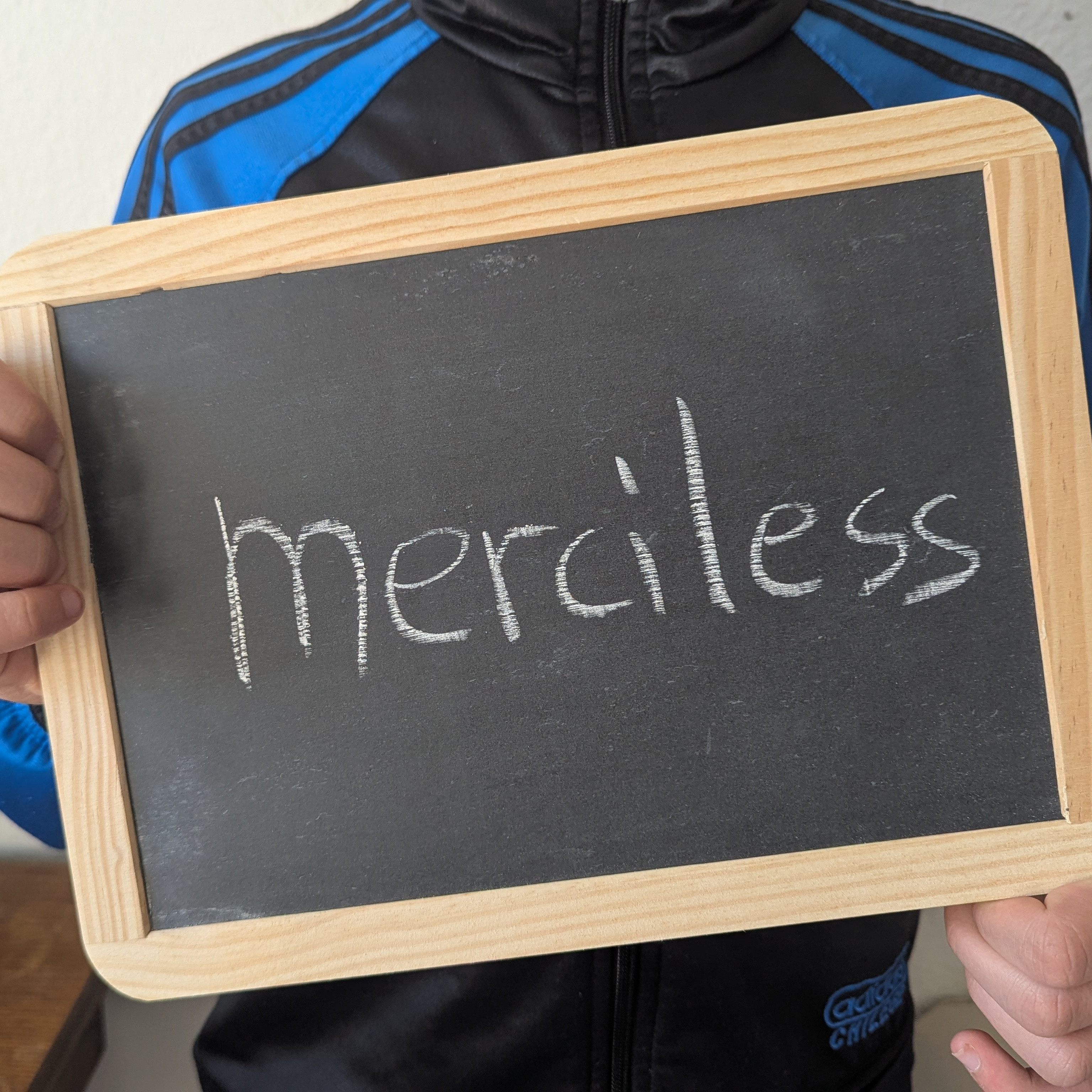
Marcus: merciless
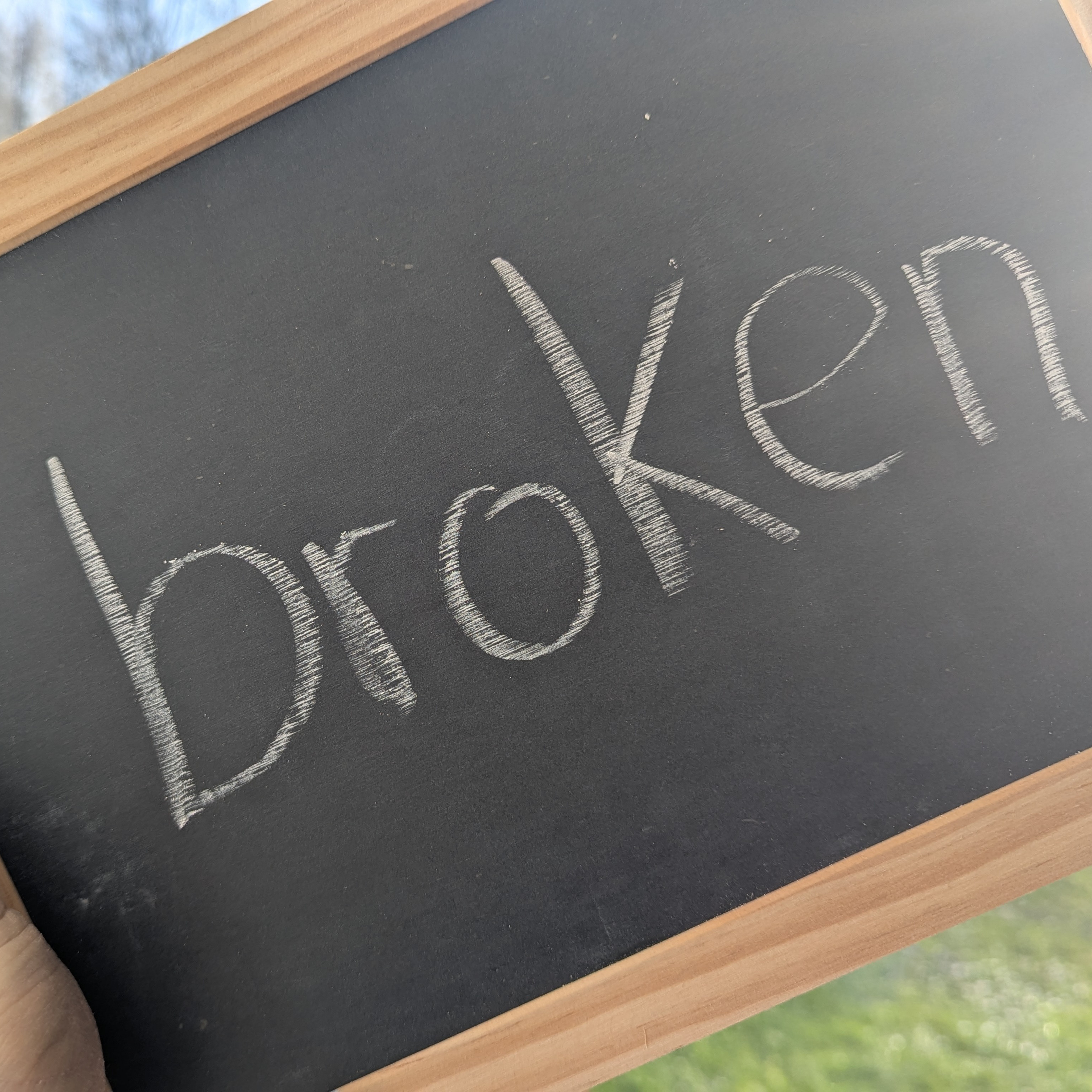
Dana: broken
Ginger: surprise
Kaya: dry-cleaning

- Once a situation affects a player, at least one of these prompts should be integrated into the story, by the player that is spotlit in the narrative. It could be a word that has been written down 2hrs ago, or maybe during the current situation. Make it work.
// It might be difficult having to come up with a narrative that could incorporate all the prompts at the same time, but I feel it should be awarded if someone manages to tie in as many as possible. For instance: every prompt used the active player might gain a bonus. The more prompts used, the more advantageous this bonus will become?
Once a prompt has been used, replace that prompt with a new word. Any time.
If a prompt has not been used, it remains.
Simple.
what gives?
The amount of alternating between in and out of character, will be (in theory), severely lessened, since the communication is limited to a single word.
But the main factor that makes this interesting to me, is including the element of interpretation, that usually is found in the solo-experience.
...and I wonder how this kind of approach might change the tone of an existing game?
To be clear, this is less about fixing anything, since nothing was broken in the first place, but more about coming up with an alternative way to communicate in play and that was a fun thing to think about.